How to Cut Wedding Costs: Expert Strategies for Every Budget
Wedding costs add up fast, but you don't have to spend a fortune to have a beautiful celebration. Knowing the average cost of a wedding helps you set realistic expectations. The most effective way to cut wedding costs is to reduce your guest list, choose an off-season date, and focus your budget on what matters most to you.
These simple changes can save you thousands of dollars without making your day feel cheap or rushed. There are many creative ways to save money on your wedding while still creating a memorable experience.
You can plan a meaningful wedding on your terms without going into debt. The key is knowing where to cut costs and where to invest. Small decisions about your venue, food, decorations, and invitations can make a big difference in your final bill.
This guide will show you practical ways to lower your wedding expenses while keeping the parts of your day that matter most. You'll learn how to set a budget that works, reduce unnecessary costs, and make smart choices that add up to real savings.
Set a Realistic Wedding Budget
Before you start booking vendors or choosing flowers, you need to know exactly how much money you can spend. A clear wedding budget helps you make smart choices and prevents overspending on things that don't matter to you.
Determining Your Financial Priorities
Start by listing what matters most to you and your partner. Some couples care deeply about photography, while others want amazing food or a stunning venue. Write down your top three priorities and plan to spend more money on those areas.
Look at your current finances honestly. Check your savings, ask if parents or family want to contribute, and decide if you're willing to take on any debt. Add up these numbers to get your total wedding budget. Most couples spend between $20,000 and $30,000 on their wedding, but your number might be higher or lower.
Once you know your total, assign percentages to different categories. Typically, venues and catering take up 40-50% of wedding expenses, photography takes 10-15%, and wedding flowers take 8-10%. You can adjust these percentages based on your priorities. If you don't care about the flowers, move that money to something you value more.
Using Budgeting Tools and Resources
Wedding planning gets complicated fast, so use tools to track every expense. Free budget spreadsheets and apps help you see where your money goes and warn you when you're getting close to your limit.
Set up separate categories for each vendor type: venue, catering, photography, dress, flowers, music, invitations, and decorations. Include a 5-10% buffer for unexpected costs. Update your spreadsheet after every deposit and payment so you always know your current spending.
Many wedding planning websites offer free budget calculators that show average costs in your area. These tools help you understand if vendor quotes are reasonable. Some apps even send payment reminders so you don't miss due dates or lose deposits.
Controlling Hidden and Unexpected Expenses
Wedding expenses add up quickly through small costs you didn't plan for. Service fees, taxes, gratuities, and vendor meals can add 20-25% to your bill. Ask vendors for all-inclusive quotes that include these extras upfront.
Common hidden costs include alterations for your dress and marriage license fees. Hiring a wedding planner can help you identify these hidden fees before you sign contracts. Make a list of these items early in wedding planning and add them to your budget.
Keep cash reserves for last-minute issues. Weather problems, guest count changes, or vendor cancellations happen. Having $500-$1,000 set aside gives you options when surprises come up. Track every small purchase, from ribbon for favors to thank-you cards, because these minor expenses become major costs when combined.
Reduce Guest List and Venue Expenses
Your guest count and venue choice have the biggest impact on your total wedding budget. Making smart decisions in these two areas can save you thousands of dollars without making your celebration feel less special.
Trimming the Guest List Strategically
Cutting your guest list is the fastest way to reduce wedding expenses. Every person you remove from your list lowers costs for catering, invitations, rentals, and venue space.
Start by creating an A-list of people you absolutely must have at your wedding. This includes immediate family and your closest friends. Then make a B-list of people you'd like to invite if budget allows.
Consider these practical approaches:
-
Remove plus-ones for guests who aren't in serious relationships
-
Skip coworkers unless you have genuine friendships outside of work
-
Limit children by making your wedding adults-only
-
Cut distant relatives you haven't spoken to in years
A smaller wedding often feels more intimate and meaningful. You'll have more time to spend with each guest when you're not trying to greet 150 people. The average wedding costs $35,000, and reducing your guest count by even 20 people can save you $2,000 to $4,000 in catering alone.
Booking Weekday or Off-Season Weddings
Your wedding date directly affects what you'll pay for venues and vendors. Saturdays in peak season cost the most because demand is highest.
Consider these lower-cost options:
-
Friday or Sunday weddings (often 20-30% cheaper than Saturday)
-
Weekday weddings on Monday through Thursday
-
Off-season months when fewer couples get married
-
Shoulder seasons in late fall or early spring
A weekday wedding saves money because venues and vendors offer lower rates during slower times. Your guests may need to take time off work, but many people appreciate a reason to use vacation days. Off-season weddings can save hundreds or thousands of dollars on your venue alone. Just check weather patterns for your location and have a backup plan if needed.
Choosing Affordable or Non-Traditional Venues
The venue you pick sets the foundation for your entire wedding budget. Traditional wedding venues often charge premium prices, but non-traditional spaces can work just as well.
Look for venues that include tables, chairs, and other rentals in their base price. This saves you from renting items separately. Public spaces like parks, community centers, and beaches often cost far less than ballrooms or event spaces.
Budget-friendly venue options:
-
Restaurant private dining rooms
-
Art galleries or museums
-
Botanical gardens or public parks
-
Family property or a friend's backyard
-
Community halls or recreation centers
Pick a venue with beautiful existing features so you don't need to spend as much on decorations. A historic building or garden setting looks stunning without added decor. Hosting your ceremony and reception at the same location cuts transportation costs and saves time for vendors who charge by the hour.
Save on Attire, Invitations, and Decor
Your wedding attire, invitations, and decor can easily cost thousands of dollars, but smart shopping and creative alternatives can cut these expenses in half. Sample sales, digital invitations, and non-floral decor offer real savings without compromising style.
Finding Budget-Friendly Wedding Dresses
Sample sales and trunk shows at bridal shops let you buy designer dresses at 50-70% off retail prices. These are brand new or lightly used gowns from floor displays.
You can also rent your wedding dress instead of buying one. Rental services offer designer gowns for a fraction of the purchase price, and you won't need to worry about storing or preserving it later.
Shopping secondhand through consignment shops or online marketplaces gives you access to high-quality dresses at major discounts. Many brides sell their dresses after wearing them just once.
Other attire savings:
-
Buy bridesmaids dresses off the rack in matching colors instead of ordering custom
-
Skip the tuxedo rental for groomsmen and ask them to wear suits they already own
-
Look for dresses at department stores during sale seasons
-
Consider non-traditional white dresses from regular retailers
Digital Wedding Invitations and Stationery Savings
Digital wedding invitations cost almost nothing compared to printed invitations that run $2-8 per guest. Services like Paperless Post or Greenvelope offer elegant designs you can customize and send instantly.
Your wedding website serves as a free information hub where guests can find details about the venue, accommodations, registry, and schedule. This eliminates the need for extra printed inserts in your invitations.
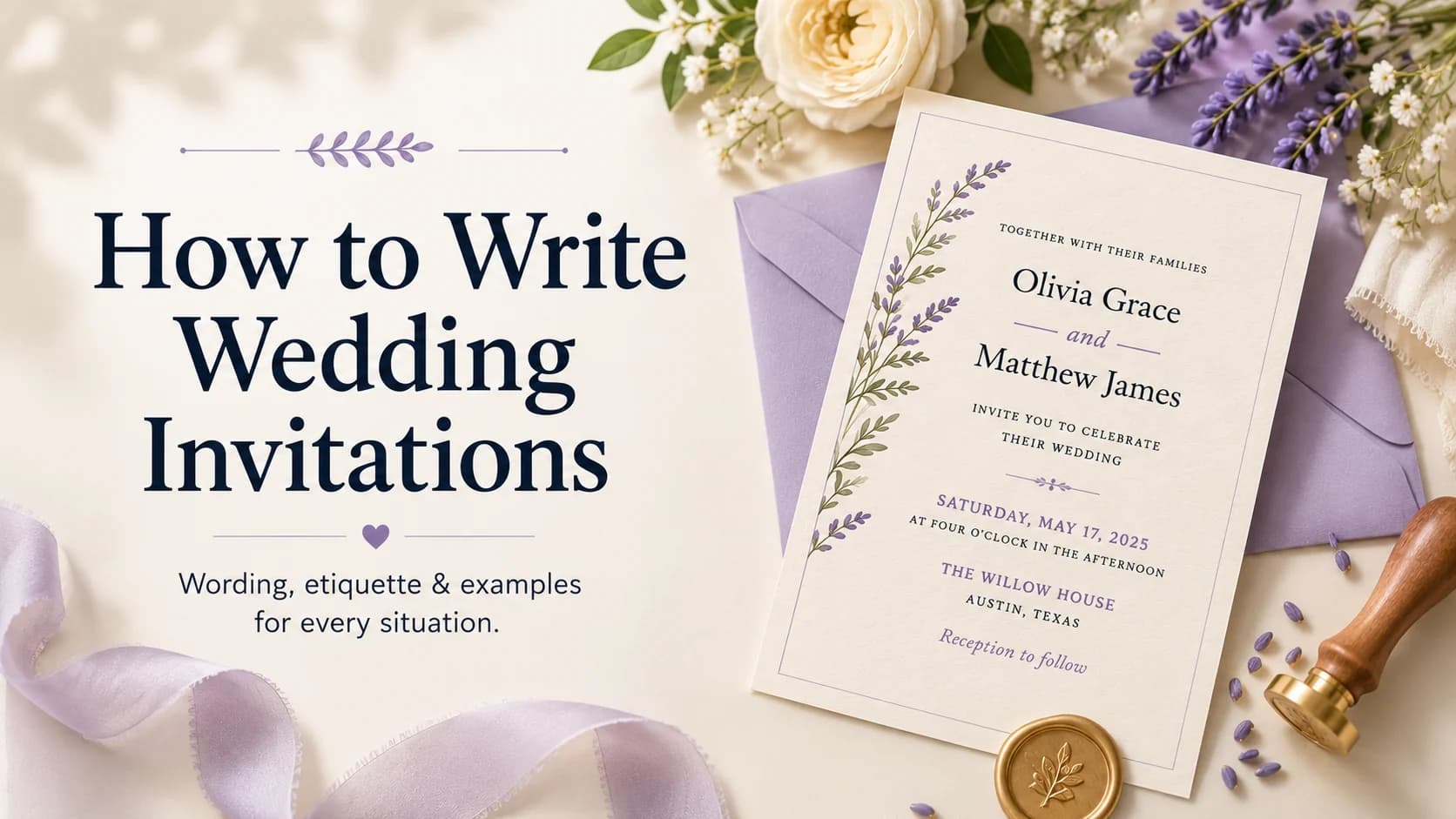
If you want physical invitations, print them yourself or use online printing services instead of custom letterpress or engraving. You can also skip the inner envelope and response card envelope to save on postage.
Stationery cuts that add up:
-
Send save-the-dates by email or through your wedding website
-
Use postcards for RSVPs instead of cards with return envelopes
-
Print programs at home or skip them entirely
-
Order thank-you cards in bulk from discount retailers
Affordable Decor and DIY Options
Non-floral decor like candles, greenery, and string lights creates atmosphere at a much lower cost than elaborate floral arrangements. A DIY wedding approach for centerpieces and small details can save hundreds.
Reuse your ceremony wedding flowers at the reception by moving aisle arrangements to the head table. Choosing seasonal flowers also helps reduce the price per stem significantly.
Borrow or rent decor items like vases, lanterns, and table runners instead of buying new. Many couples sell their wedding decor online after the event at steep discounts.
Simple decor swaps:
-
Use potted plants or herbs as centerpieces that double as guest favors
-
Skip chair covers and sashes entirely
-
Choose a venue with beautiful built-in features that need minimal decoration
-
Make your own welcome sign and seating chart
-
Use LED candles instead of real ones to avoid venue rental fees
Optimize Catering and Reception Costs
Catering typically takes up the largest portion of your wedding budget. You can reduce these costs by choosing alternative service styles, simplifying your dessert offerings, and adjusting your bar service options.
Creative Food and Drink Alternatives
A cocktail-style reception with heavy appetizers and small bites costs 30-40% less than a traditional plated dinner. You serve a variety of finger foods that allow guests to mingle while eating, which also reduces the need for formal seating arrangements.
Food trucks offer another budget-friendly option. They provide diverse menu choices at lower prices than traditional caterers and add a unique element to your celebration. Local food trucks often charge $15-25 per person compared to $50-100 for standard catering.
Consider a buffet service instead of plated meals. This approach requires fewer servers and gives guests control over portion sizes. You can cut labor costs by 20-30% while offering more variety.
Host your reception during brunch or lunch hours. These time slots allow you to serve lighter, less expensive menu items. A morning or early afternoon event naturally limits alcohol consumption too, which reduces your bar costs.
Optimizing Cake and Dessert Choices
Skip the elaborate tiered wedding cake and order a small display cake for cutting photos. Serve your guests sheet cake from the kitchen instead. Sheet cakes cost $1-3 per slice compared to $5-10 per slice for custom wedding cakes.
Create a dessert bar with homemade cookies, brownies, and pastries from a local bakery. This option costs significantly less than a formal wedding cake and doubles as wedding favors for guests to take home.
Order your cake from a grocery store bakery rather than a specialized wedding baker. Many grocery stores create beautiful cakes at a fraction of the cost. You simply avoid telling them it's for a wedding to prevent automatic price increases.
Cupcakes, donuts, or pie varieties provide another cost-effective alternative. These desserts eliminate cutting fees and serving costs while offering more flavor options for your guests.
Cost-Effective Bar Services
Limit your bar to beer, wine, and one or two signature cocktails instead of a full open bar. This approach can cut your alcohol costs by 50% while still providing enough variety for most guests.
A cash bar shifts alcohol costs to your guests. While some consider this less hospitable, it's a practical option if you're working with a tight budget. You can compromise by offering a limited selection of free drinks and letting guests purchase premium options.
Buy your own alcohol if your venue allows it. Purchase from warehouse stores and return unopened bottles after the event. This strategy saves 40-60% compared to venue-provided alcohol packages.
Serve drinks during cocktail hour only, then switch to wine and beer during dinner. This limits consumption of expensive liquor while maintaining a festive atmosphere. Calculate one drink per guest per hour to determine quantities and avoid over-purchasing.